
3 Essential Fixes Only a Skilled Electrician Can Handle
The importance of professional electrical work cannot be overstated. Skilled electricians are equipped to tackle complex issues that go beyond simple repairs or installations. In this article, we'll explore several crucial electrical fixes that only a skilled electrician can safely and effectively manage. Proper expertise ensures safety, compliance, and the optimal functioning of electrical systems, which is critical in both residential and commercial settings. By delving into these essential tasks, we emphasize the value of trained professionals in maintaining electrical health.
1. Understanding Electrical Codes
Overview of Electrical Codes
Electrical codes are established guidelines that ensure the safe and efficient installation and use of electrical systems. They are standards that are regularly updated to accommodate new technologies and safety practices. The National Electrical Code (NEC) in the United States is one example of a comprehensive code used to guide electrical practices. These codes are not merely suggestions but are often required by law for construction and renovation projects. Adherence to these guidelines is critical to preventing electrical accidents and ensuring system reliability.
Importance of Compliance
Compliance with electrical codes is essential for a multitude of reasons, primarily safety. Codes are developed based on lessons learned from past incidents and are designed to mitigate electrical hazards. Non-compliance can result in fires, electric shock, and can severely impact insurance claims. Maintaining these standards is not only legally necessary but also financially prudent. Ultimately, compliance fosters trust in electrical systems and reduces risks associated with electrical failures.
Common Code Violations
Despite the importance of compliance, violations of electrical codes are common. This often stems from cost-cutting measures, lack of knowledge, or outdated systems. Some prevalent issues include improper grounding, incorrect circuit setup, and inadequate spaces around service panels. Such violations can result in serious safety hazards and costly repairs. Recognizing and rectifying these violations is crucial to maintaining both safety and system efficiency.
Updating Outdated Codes
Updating electrical systems in accordance with the latest codes is a significant responsibility of skilled electricians. As technology advances, older codes may become obsolete or insufficient, necessitating revisions. Electricians must be well-versed in both old codes and new amendments to ensure systems are up to date. Keeping systems updated prevents accidents and enhances the overall performance of electrical installations. This ongoing process is a testament to the evolving nature of electrical engineering and safety standards.
Navigating Regional Variations
Regional variations in electrical codes can pose additional challenges for electricians. Local authorities may adapt or supplement the NEC with additional requirements tailored to specific environments or needs. Skilled electricians must navigate these variations to ensure full compliance wherever they work. Understanding these regional differences is part of a comprehensive approach to electrical safety and compliance. This is why consulting locally certified professionals is always advisable when undertaking electrical projects.
2. Replacing Old Wiring
Identifying Outdated Wiring
Identifying outdated wiring is the first step toward a more reliable and safe electrical system. Common signs of aging wiring include discolored sockets, flickering lights, and frequent circuit breaker trips. Aluminum wires and knob-and-tube systems are examples of outdated materials and methods that may not meet current safety standards. These systems can pose significant fire hazards and are often found in older homes. A skilled electrician can inspect and assess the condition of your wiring to recommend the best course of action.
Dangers of Old Wiring
Old wiring presents multiple dangers that should not be underestimated. It is often less efficient and more vulnerable to overheating and electrical fires, especially under today's demands of modern appliances. These dangers elevate the importance of professional intervention to replace or upgrade the wiring systems. Aged insulation can also lead to exposed wires, increasing the risk of electric shock. Addressing these issues promptly is essential for the safety and well-being of all occupants in a building.
Safe Removal Techniques
Removing old wiring requires specific techniques that prioritize safety and minimize risks. Electricians must de-energize circuits and use appropriate tools to dismantle outdated systems. Old wiring may have been installed in hard-to-reach places, and skilled electricians know how to access these areas without causing structural damage. Safety protocols such as wearing insulated gear and using voltage testers are vital during the removal process. Without professional help, DIY removal could lead to catastrophic consequences, including electrical shock or fire.
Installing New Wiring Systems
Once old wiring has been safely removed, installing new systems is crucial to modernizing and enhancing an electrical infrastructure. High-quality materials and adherence to current electrical codes ensure long-lasting performance and safety. Electricians strategically plan the layout of new wiring to optimize functionality and accessibility. Innovations like smart home systems and energy-efficient circuits can also be incorporated at this stage. A professional touch guarantees that the electrical system will meet both current and future needs, providing peace of mind to the property owner.
Testing and Verification
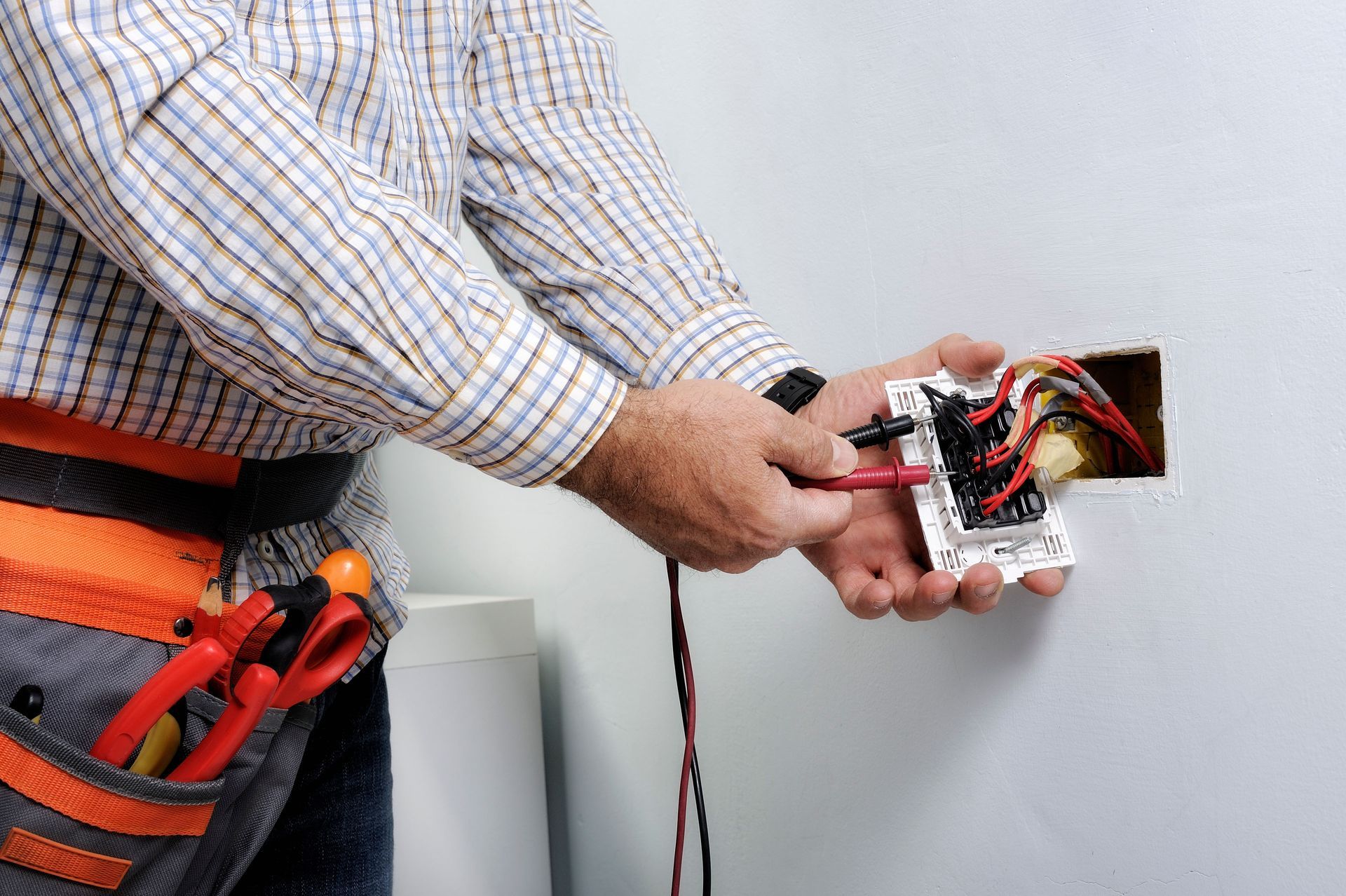
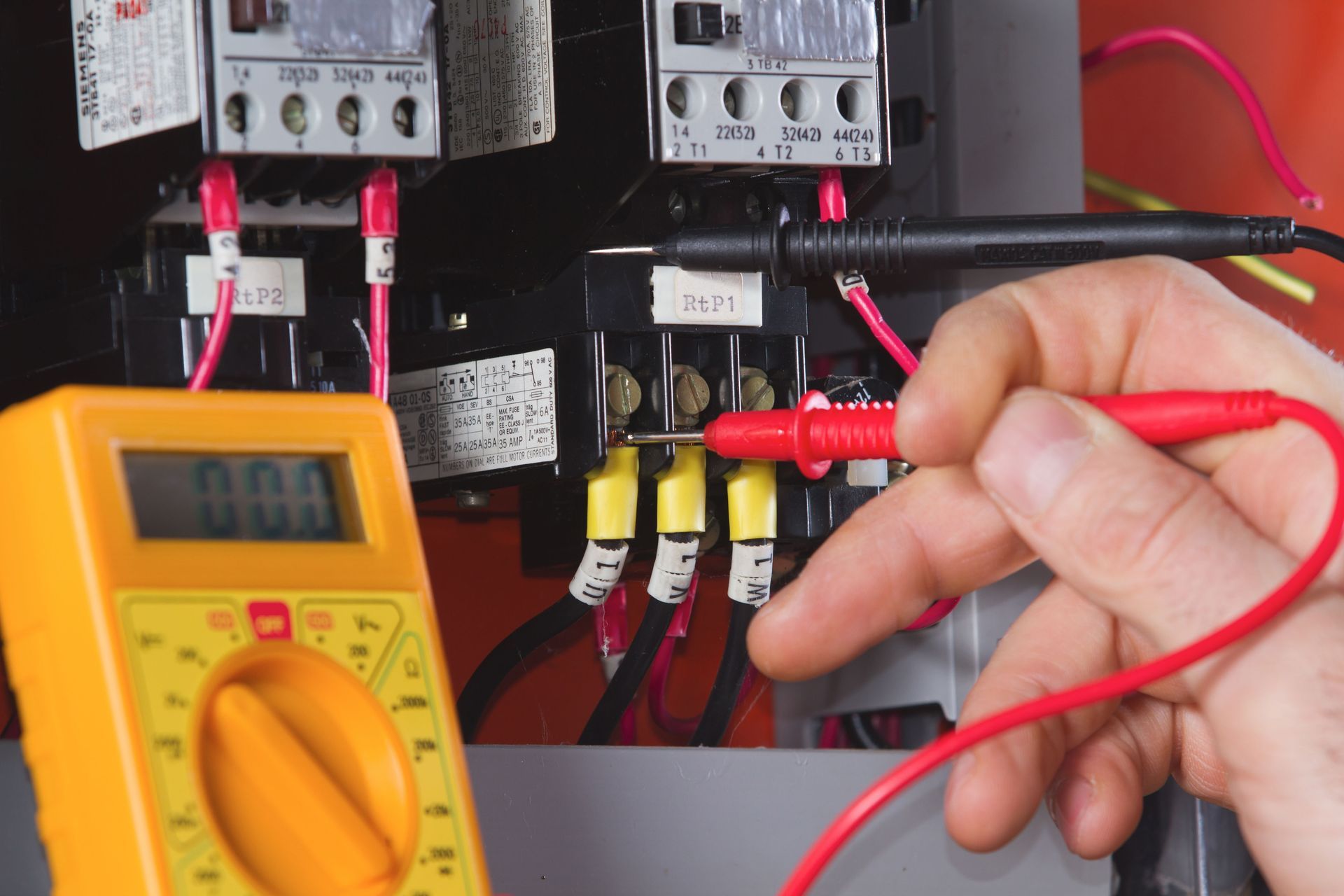
After installation, thorough testing and verification are necessary to ensure the newly installed wiring performs correctly. Professionals use specialized equipment to test for continuity, resistance, and potential drops in power. By conducting these tests, electricians can identify and rectify any issues before they escalate. According to WebFX, by 2027, experts believe the electrical industry will reach a market value of over $350 billion in the U.S., reflecting the growing demand for such skilled services. Proper testing enhances the reliability and longevity of electrical systems, demonstrating the value of professional oversight.
3. Complex Circuit Breaker Issues
Diagnosing Circuit Breaker Problems
Diagnosing circuit breaker issues requires a systematic approach by experienced electricians. Breakers may trip due to overloads, short circuits, or ground faults, each necessitating a distinct solution. Diagnosing the problem involves inspecting the electrical panel, evaluating the wiring, and sometimes tracing circuits throughout the property. Proper diagnosis is critical to determining whether the breaker needs repair or replacement. A skilled electrician's assessment ensures that the root cause of the issue is addressed, preventing future disruptions.
Repairing vs. Replacing
Deciding between repairing or replacing circuit breakers depends on various factors, including age, cost, and safety. While minor wear and tear might be resolved with repairs, persistent issues often call for replacement. A professional electrician assesses the condition of the breaker to recommend the most suitable action. Replacement provides an opportunity to upgrade to more advanced circuit protection technologies. Properly functioning breakers are essential for safeguarding electrical systems from overload and short-circuit damage.
Managing Overloads
Overloads are common occurrences that can strain circuit breakers and electrical systems as a whole. Skilled electricians identify potential overloads by evaluating electrical usage patterns and system capability. Preventative solutions, such as redistributing loads or adding new circuits, can mitigate these risks. Frequent overloading can degrade system components over time, leading to more severe problems. Professionals can guide property owners in managing their electrical consumption to prevent overloads and the associated risks effectively.
Understanding Different Types of Breakers
Different types of breakers serve various functions, each suited for specific applications within an electrical system. Standard breakers handle regular loads, while ground fault circuit interrupters (GFCIs) and arc fault circuit interrupters (AFCIs) offer enhanced protection. Understanding these distinctions is crucial for selecting the correct breaker for each circuit's needs. A skilled electrician provides the expertise to evaluate and implement the appropriate types for optimal protection. This knowledge ensures that all electrical components work in harmony, reducing the risk of malfunctions.
While some electrical fixes may seem straightforward, the reality is that many require the expertise of a skilled electrician to manage safely and effectively. By hiring a professional, homeowners and businesses can ensure optimal performance, safety, and compliance with electrical codes and regulations. The complexities and potential dangers of electrical work underscore the necessity of professional expertise in maintaining systems that are both reliable and future-ready. Ultimately, relying on skilled electricians is a proactive choice that provides peace of mind and enhances the value of any property. If you're looking for reliable electricians, contact Wolfe Electric Co Inc today.



Share On: