
What to Know Before Installing a Backup Generator
Unpredictable weather patterns, sudden grid overloads, and unexpected equipment failures can disrupt standard electrical service at any moment. A reliable standby power system keeps your household running smoothly, protecting your comfort and preserving vital appliances during major outages. Choosing to add an emergency power source to your property requires careful planning, proper equipment sizing, and precise professional execution. Navigating local building codes, electrical panel configurations, and fuel supply lines requires specialized expertise to ensure complete safety. Understanding the essential factors involved in generator installation ensures your home stays powered, safe, and fully functional during unexpected blackouts.
Assessing Your Household Power Requirements
Before moving forward with generator installation, you must evaluate the specific electrical demands of your household. Different homes require different levels of wattage depending on the size of the space, the layout of the property, and the types of appliances running inside. Critical systems usually take priority during an emergency, such as refrigerators, freezers, heating units, sump pumps, medical equipment, and security systems. Calculating total running wattage and starting wattage for motors guarantees your backup equipment can handle initial surge demands without tripping internal breakers. A thorough evaluation helps prevent under-sizing the unit, which can overload the system and damage sensitive electronics, or over-sizing it, which adds unnecessary equipment costs and ongoing operational expenses. According to This Old House, most U. S. homes receive 120/240-volt alternating current (AC) power, with specific appliances requiring 240 volts. Knowing how your home uses electricity helps narrow down the exact size and wattage capacity needed for your setup.
Calculating wattage involves separating continuous loads from momentary starting loads. Major appliance motors require an extra boost of energy when turning on, which briefly doubles or triples their standard running requirements. Professional electricians calculate these cumulative surges to recommend a system that balances peak load support with fuel efficiency. Proper power assessment guarantees that during severe weather events, your household remains comfortable, secure, and fully operational without risking damage to the electrical infrastructure.
Selecting the Right Type of Generator
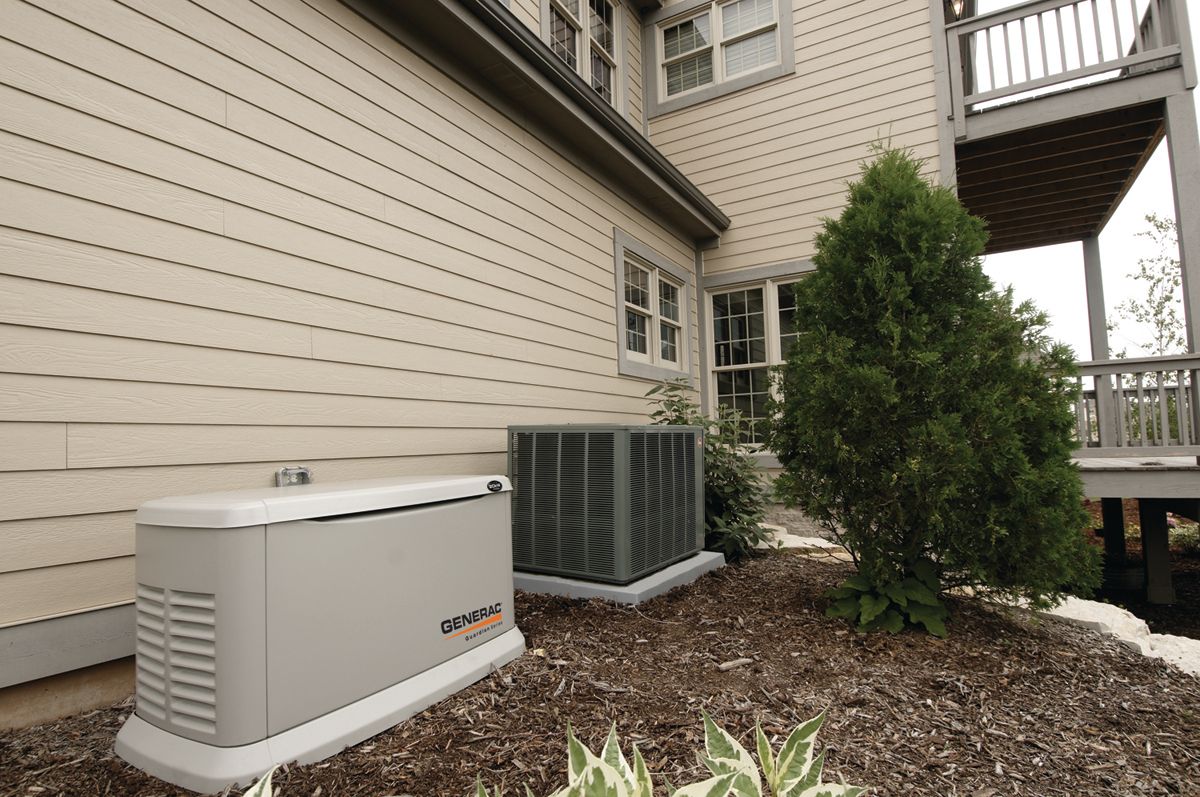
Selecting the right equipment is another critical stage of the generator installation process. Homeowners generally choose between portable models and permanent standby models depending on their budget, property layout, and backup needs. Portable options provide temporary power for select items and require manual setup, extension cords, and fuel management during an emergency. Standby units remain permanently outside your home, connect directly to your main electrical panel, and turn on automatically within seconds when grid power drops out. Permanent units offer continuous power, hands-free operation, direct fuel line connections, and far greater convenience, making them the preferred choice for long-term protection.
When selecting a standby system, you must also evaluate features such as sound attenuation enclosures, advanced diagnostic monitors, and remote monitoring applications. Modern standby systems run quiet weekly self-tests and send status updates directly to your smartphone, ensuring complete visibility over system readiness. Balancing upfront investment costs against convenience, safety, and operational capacity helps you choose an option that protects your home for decades.
Determining the Ideal Placement Location
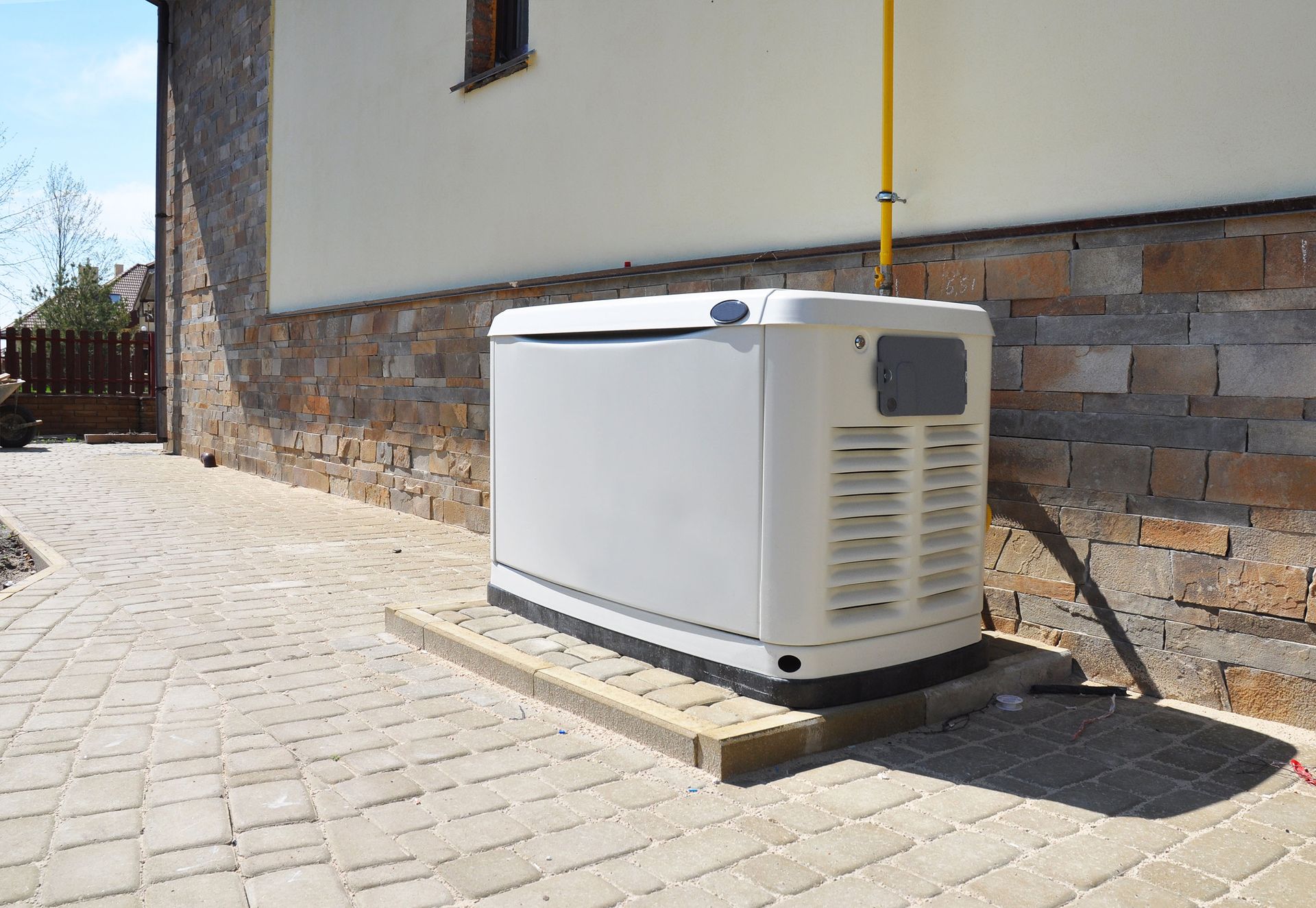
Finding a safe and accessible location for your unit is a vital part of generator installation. Exterior units must sit on a stable, level surface, such as a reinforced concrete pad or composite mounting base, to prevent shifting, minimize engine vibrations, and reduce operational noise. Placement must comply strictly with local building codes regarding required clearances from windows, doors, intake vents, and combustible materials. Adequate clearance prevents dangerous carbon monoxide fumes from drifting back into living spaces, ensuring optimal safety for all occupants inside the residence.
Site selection must also account for drainage patterns, snow accumulation levels, and access pathways for future maintenance. Placing the unit too close to roof valleys can expose the cabinet to falling ice or heavy rain runoff. Ensuring clear space around the entire housing allows service technicians to comfortably access internal filters, oil dipsticks, spark plugs, and electrical wiring compartments during routine service visits.
Evaluating Fuel Source Availability
Every backup system relies on a continuous and dependable fuel supply to produce electricity during an extended grid outage. Whole-home units typically run on natural gas, liquid propane, or diesel fuel depending on property infrastructure and municipal availability. Natural gas units connect directly to municipal utility lines, supplying endless fuel without requiring manual refilling or continuous monitoring during prolonged storms. Propane options use dedicated underground or aboveground storage tanks located on your property, offering a steady independent fuel supply even if local utility infrastructure suffers damage.
Choosing the correct fuel system requires analyzing existing gas line pressure, pipe diameter sizes, and proximity to the intended unit location. Upgrading gas meters or installing dedicated regulatory valves is often necessary to accommodate the high flow rate required by high-wattage backup engines. Selecting an efficient, accessible, and cost-effective fuel source ensures uninterrupted performance when harsh winter storms or summer heatwaves strain the local grid.
Integrating an Automatic Transfer Switch
The automatic transfer switch acts as the central control center of your entire backup system during generator installation. This essential component continuously monitors incoming utility power and detects any sudden drop, spike, or complete loss of line voltage. When main grid power fails, the switch automatically isolates your home from the external grid and transfers the electrical load to the backup generator within seconds. This physical separation prevents dangerous backfeeding, which occurs when localized power flows backward into utility lines and endangers utility workers working to repair damaged infrastructure.
Once main utility power is fully restored and stabilized, the automatic transfer switch seamlessly routes incoming power back into the house and initiates a cool-down cycle for the emergency engine. Advanced transfer switches also feature load management technologies that selectively shed non-essential electrical loads if power demand approaches engine limits. This intelligent management capability prevents system overloads, optimizes fuel usage, and allows smaller generators to power larger homes efficiently.
Navigating Permits and Local Building Regulations
Installing major home electrical systems requires strict adherence to local municipality regulations, zoning restrictions, and regional building codes. Proper
generator installation involves obtaining formal electrical permits, mechanical permits for fuel line connections, and municipal zoning approvals before physical work begins. Municipal regulations dictate maximum decibel noise levels, setbacks from neighboring property lines, and specific placement distances from structures and openings. Adhering strictly to standard regulatory procedures protects home value and avoids unexpected construction delays.
Navigating these regulatory requirements can be complex, requiring accurate site plans, electrical line diagrams, and equipment specification sheets for municipal review. Working alongside experienced professionals ensures all permit applications are prepared correctly and submitted promptly. Completing all required inspections safeguards your property investment, maintains home insurance compliance, and guarantees that every safety control operates strictly according to code.
Partnering with Licensed Electrical Professionals
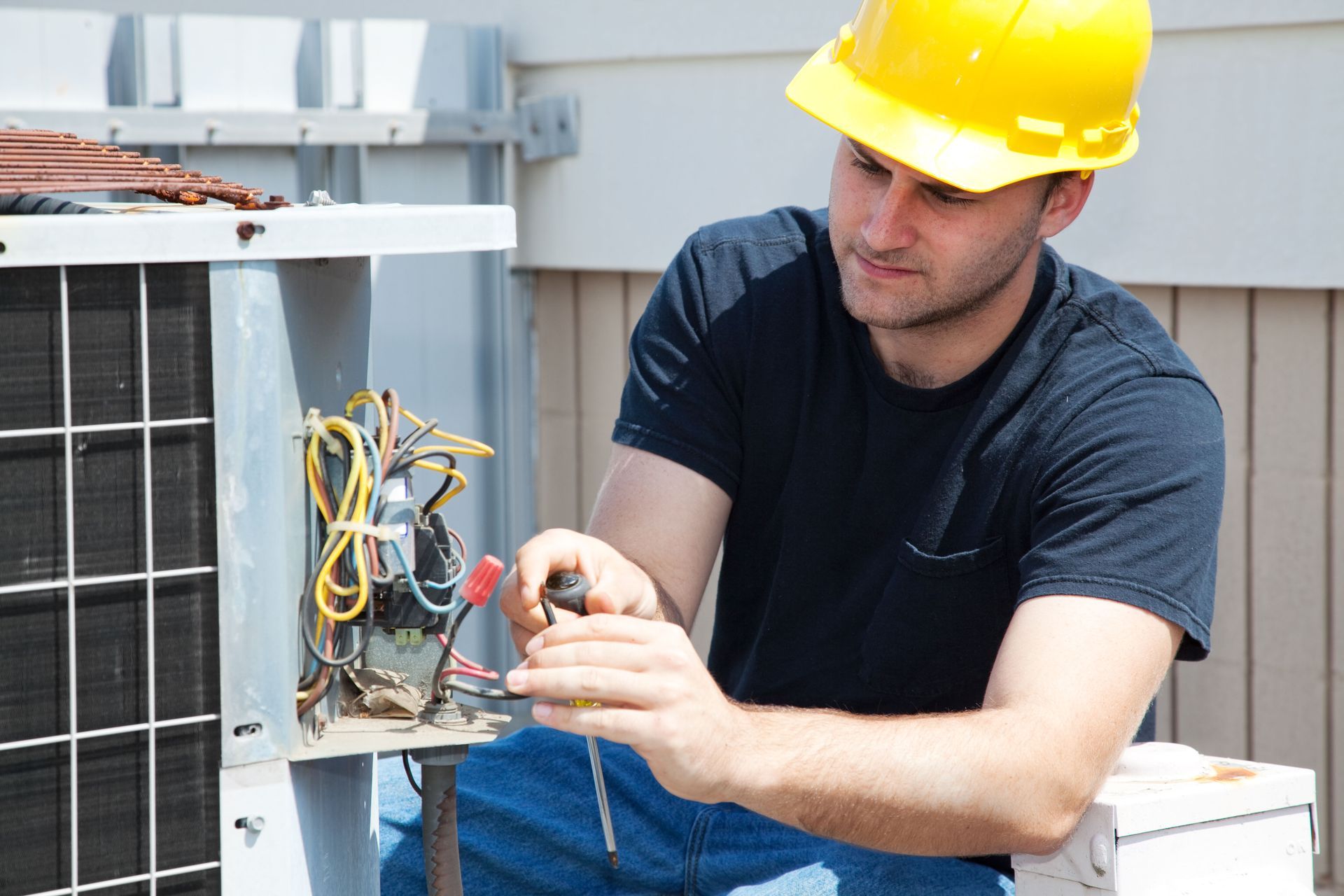
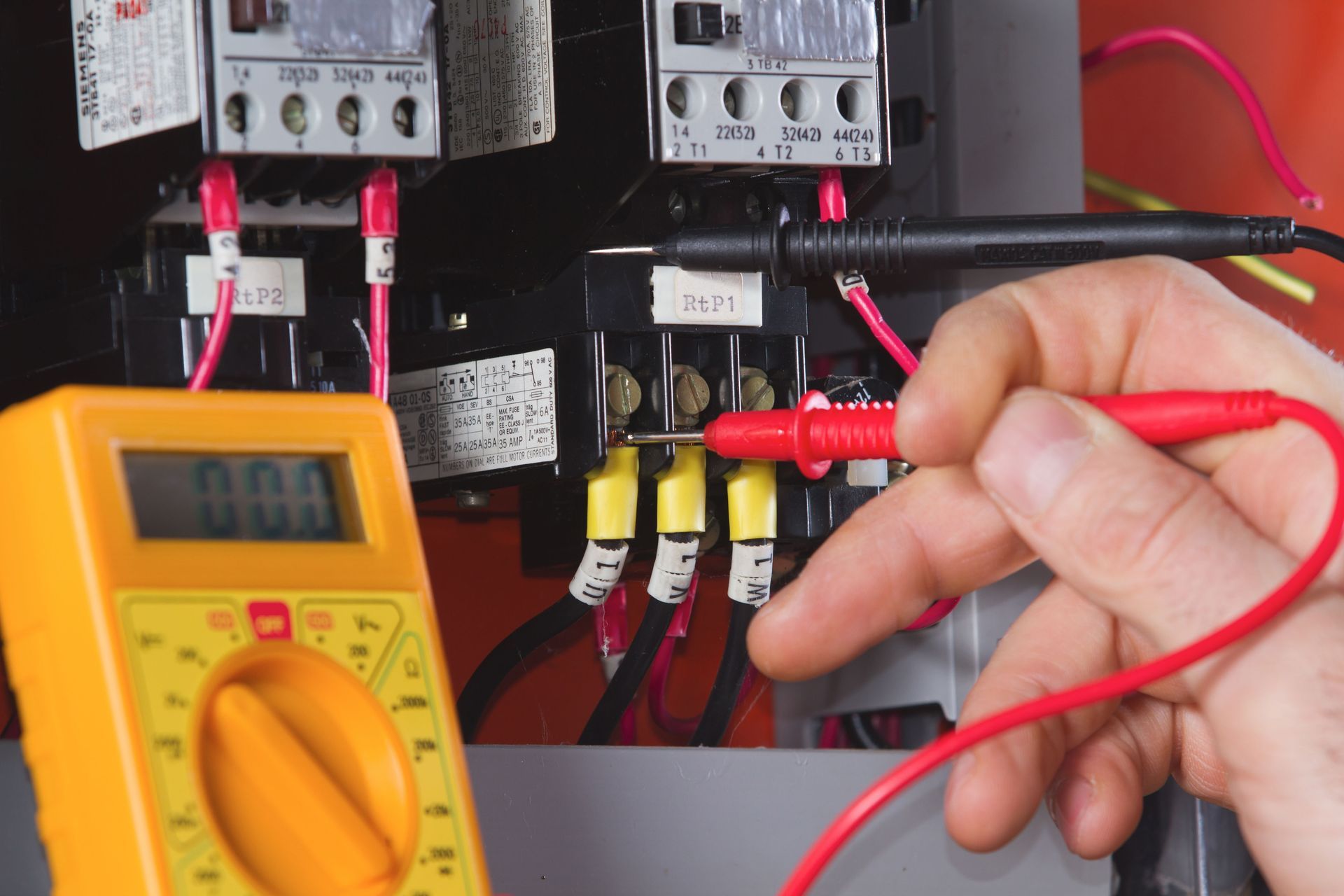
Handling high-voltage electrical distribution panels and high-pressure fuel lines involves inherent risks that require specialized field training and safety protocols. Completing a generator installation correctly demands precise wiring practices, complex load balancing calculations, and exact mechanical connections. Qualified electrical technicians carefully evaluate your service panel capacity, calculate true total household loads, execute secure connections, and systematically verify every safety shut-off control before system activation.
Attempting DIY methods or uncertified work can result in severe electrical hazards, voided equipment warranties, utility code violations, and costly operational failures during actual emergencies. Professional technicians bring specialized diagnostic tools, local code knowledge, and proven safety standards to every job site. Relying on trained expertise guarantees that your emergency power equipment operates safely, efficiently, and flawlessly whenever main electrical service breaks down.
Securing your home against unexpected power outages brings lasting peace of mind, comfort, and protection for your household. Wolfe Electric Co Inc brings decades of hands-on expertise to every project, delivering reliable electrical solutions for residential properties across Omaha and Lincoln, NE and surrounding areas. Fully licensed and insured since 1977, we have built a solid reputation for superior workmanship, uncompromising safety standards, and dedicated customer care. We guide you through every phase of the project, from initial electrical load analysis to final system testing. Call us today to learn more about how we can safeguard your home with a customized backup power solution.


Share On: