
Can Your Electrical Panel Handle Today's Technology?
In today's rapidly advancing technological landscape, the demand for electricity within households has burgeoned. This has led to questions about whether current electrical panel setups are equipped to handle modern power loads efficiently and safely. Consulting with a licensed electrician can provide valuable insights into whether your current infrastructure is up to code. This article explores the factors that determine an electrical panel's capacity and provides insights into ensuring your home is ready for present and future electrical demands.
Understanding Your Electrical Panel
Analyzing Components and Functionality
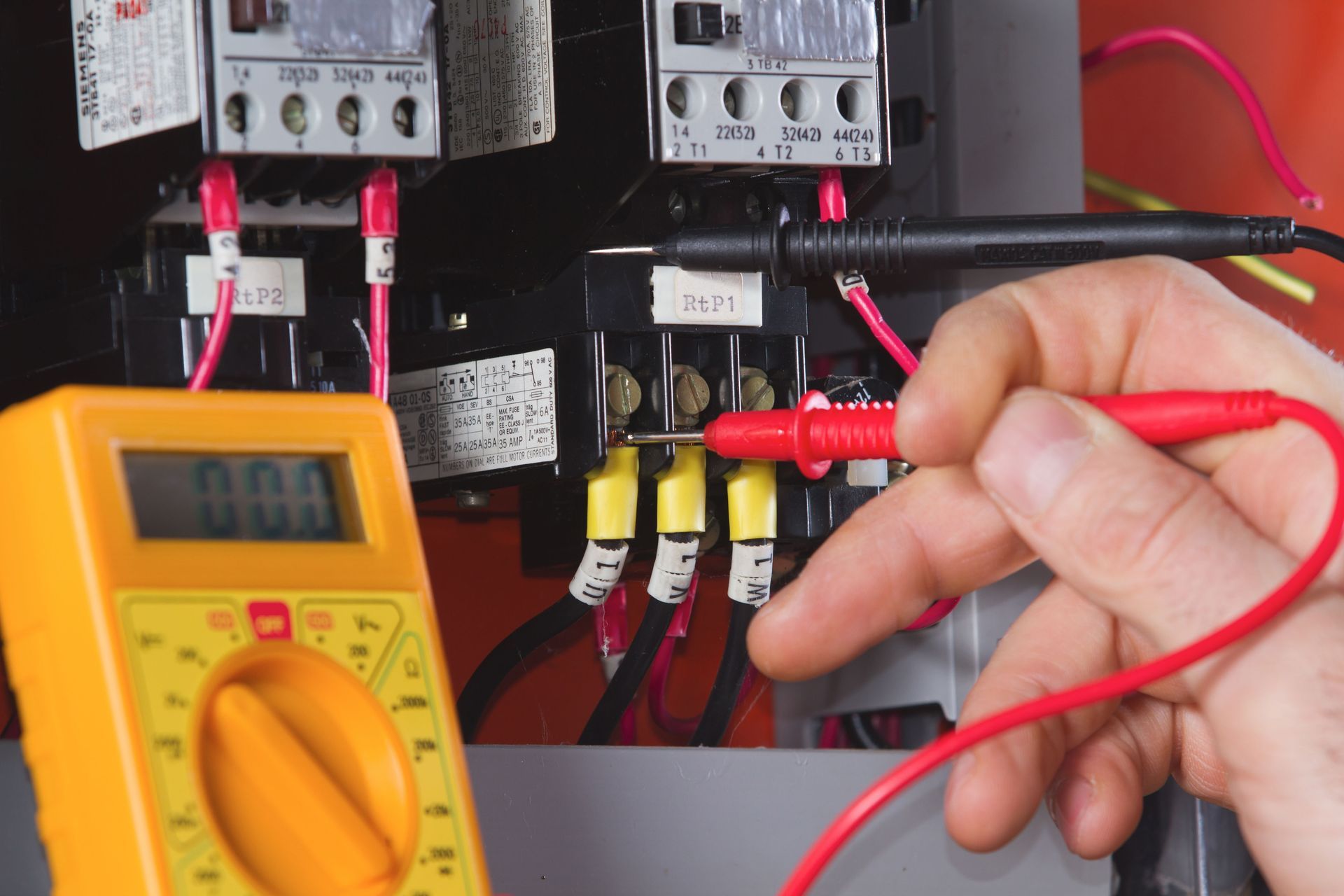
An electrical panel, often referred to as a breaker box or fuse box, is a crucial component of a home's electrical system. It serves as the main distribution point for electrical circuits, controlling the flow of electricity throughout different parts of the house. Typically, an electrical panel contains circuit breakers that protect circuits from overloading by interrupting the flow of electricity if there is a fault or an overload. Ensuring that these components are in proper working order is vital for safety, and having a licensed electrician inspect your system periodically can maintain optimal performance.
The role of an electrical panel goes beyond just housing circuit breakers. It acts as the central hub for electricity distribution, influencing how power is allocated throughout the house. If a house experiences frequent breaker trips, this could be a sign that the panel might not be equipped to handle increased demand. According to Fixr, to meet modern safety standards and ensure smooth operation, a home should be rewired every 25 to 40 years. Hiring a licensed electrician ensures the electrical system is up-to-date with current codes and can handle modern power loads.
Evaluating Types of Electrical Panels
In residential settings, the most common types of electrical panels include main breaker panels, main lug panels, and sub-panels. Main breaker panels have breakers installed in the panel to limit the amount of electricity that flows into and through the panel, offering an extra layer of protection. Main lug panels don't have a main breaker, and the lines run through the lugs. These panels are often used as a secondary circuit at a remote location outside of the main service. Sub-panels are smaller units fed from the main panel and can be used to prevent overloading one system, providing power to specific areas or large appliances.
Additionally, there are fuse boxes, which are older versions of electrical panels, typically found in homes built before the 1960s. Unlike modern circuit breakers, fuse boxes use fuses that must be replaced when they blow due to an overload. Modern homes usually have upgraded to circuit breaker panels, which are more convenient and safer as they can be reset without replacing a part. Each type of panel has unique features and benefits that cater to different electricity needs and budgets. A licensed electrician can help evaluate your panel type and recommend necessary upgrades.
Assessing Panel Capacity Ratings
Electrical panel capacity ratings refer to the maximum amount of electricity a panel is designed to handle safely. This is typically measured in amperes (amps) and determines how much electrical load can be distributed through the home's circuits. Older panels often have a lower capacity, generally around 60 to 100 amps, while newer homes may have panels rated at 200 amps or more. When adding new appliances, remodeling, or adopting new technologies, assessing the panel's capacity rating with a licensed electrician is critical. Exceeding this capacity can lead to safety hazards and inefficiencies.
To determine an electrical panel's capacity, homeowners can check the main circuit breaker, which usually has the panel's maximum amperage rating printed on it. Another option is to review the electrical load report from your utility company, which can provide insights into your current energy consumption. It's important to consider both peak usage and the addition of new technologies that can increase demand. Having an electrically overloaded panel can lead to frequent tripping, increasing wear on the panel components. Having a licensed electrician ensure your panel capacity aligns with current and future needs is crucial for safety and efficiency.
Evaluating Current Technological Demands on Electrical Systems
Examining Trends in Home Technology
With advancements in technology, there's a continuous wave of new devices and systems making their way into everyday households. This includes everything from smart home devices like lights, thermostats, and speakers to high-powered kitchen appliances and entertainment systems. Each of these devices adds to the home's demand for electricity. As homeowners aim to create more connected and efficient living spaces, the cumulative electricity need exceeds what traditional wiring and panels were designed to handle. By understanding these technology trends, homeowners can better plan for electrical system upgrades with a licensed electrician.
From smart refrigerators to enhanced security systems, these advancements require a seamless and reliable power supply. The trend towards integrating Internet of Things (IoT) devices has increased networked machine communication, requiring consistent power without disruption. Additionally, with many homes employing advanced entertainment centers with high-definition streaming and surround sound systems, power demand increases. Home offices equipped with computers, printers, and various charging stations further contribute to this expanding power requirement. Planning for a more interconnected lifestyle means considering the electrical grid's capacity to handle continuous, increased usage.
Managing Energy-Intensive Appliances
Modern homes are increasingly incorporating energy-intensive appliances and systems to facilitate efficient living. Persistent appliances like air conditioning units, electric ovens, washing machines, and dryers are power-demanding and continuously draw substantial energy. While these appliances offer convenience and increased productivity, they contribute significantly to overall power consumption. Understanding appliance wattage, usage time, and peak energy demand can help anticipate overall power needs. Homeowners must assess whether their current electrical panels can support these high-energy-consuming devices thoroughly.
For instance, upgrading kitchen appliances to stainless steel energy-efficient models requires understanding their electricity usage and plug types. Microwaves, dishwashers, and refrigerators often operate simultaneously, thus increasing accumulated energy consumption. Many modern homes also incorporate luxuries such as heated floors, hot tubs, and energy-hungry lighting systems. It's vital to balance these installations with the home's existing electrical infrastructure capacity. These considerations are essential for avoiding over-taxing the system and ensuring optimized energy usage across all household activities.
Navigating the Rise of Smart Homes
As technology continues to evolve, smart homes are quickly becoming the norm rather than an exception. A smart home leverages automation and sophisticated control systems to enhance convenience and efficiency, thus demanding a higher and well-regulated electricity supply. Smart thermostats, lighting, and even artificial intelligence-driven assistants require constant and reliable power sources. This trend inevitably increases the electrical load in homes equipped with smart technologies and requires robust system designs that accommodate growth. Working with a skilled licensed electrician to plan for these increased energy needs is pivotal for ensuring the seamless operation of smart home ecosystems.
Smart security systems, which include cameras, locks, and alarms, can increase electricity consumption significantly. While these systems offer greater security and peace of mind, they require steady support provided by reliable power systems. The integration of energy-efficient systems like automated window shades and power-saving lighting options helps balance heightened use. Reducing reliance solely on grid power by including solar or battery-powered alternatives can ease strain as homes adopt more of these technologies. An all-round plan incorporating future technology forecasts, usage estimates, and tailored configurations is vital for maximizing smart home benefits.
Ensuring your electrical panel can support modern technological demands is essential for household safety, energy efficiency, and overall performance. Upgrading an outdated infrastructure prevents unexpected overloads, protects sensitive devices, and provides peace of mind as your power requirements grow. Taking a proactive approach to your home's electrical capacity ensures seamless operation for years to come.
Contact the experienced team at Wolfe Electric Co Inc today to schedule your electrical panel inspection and upgrade!


Share On: