
Choosing the Right Generator Size for Your Property
Understanding the necessity of choosing the correct generator size is crucial for energy efficiency and cost-effectiveness. Selecting an appropriately sized system can significantly impact not only the functionality of your home during power outages but also your overall satisfaction with your investment. It can prevent unnecessary costs and operational inefficiencies, offering peace of mind to homeowners. This comprehensive guide will walk through the key considerations and provide actionable insights to make informed decisions, ensuring your property's power needs are seamlessly met.
Selecting the right setup involves calculating your total energy consumption as a crucial first step. This requires understanding how much power your appliances and systems consume, typically measured in running wattage. Homeowners should start by listing all electrical devices and their respective power ratings, which can often be found on labels or product manuals. Summing the total wattage helps determine your overall energy demand. Keeping these metrics accurate prevents under-sizing or over-sizing your system, leading to better long-term reliability and lower operational costs during emergencies.
Evaluating Residential Property Infrastructure
When assessing your home's preparedness for standby power, it is vital to evaluate your existing electrical infrastructure. According to This Old House, older homes are more susceptible to electrical issues due to their reliance on 60 to 100 amp service. This limited capacity can heavily influence your backup power choices, as vintage electrical panels might struggle to handle contemporary household demands or seamlessly integrate with modern transfer switches. Updating your electrical service may be an essential preparatory step to ensure safety and system compatibility.
Upgrading your electrical panel not only enhances daily safety but also allows you to support a broader range of systems during an emergency. Many modern households require substantial power to run modern climate control systems, smart appliances, and home offices simultaneously. By ensuring your panel is up to standard, you maximize the efficiency of your backup power and prevent hazardous overloads. This foundational step guarantees that your property is fully prepared for a seamless integration of auxiliary power systems.
Prioritizing Essential Home Appliances
Distinguishing between essential and non-essential appliances can help prioritize power allocation when utilizing generators. Essential appliances typically include refrigerators, heating systems, and critical medical equipment, which are necessary for maintaining safety and quality of life during outages. Non-essential devices like entertainment systems or decorative lighting can be excluded to conserve your energy supply during prolonged blackouts. This prioritization optimizes power use and informs the ultimate sizing of your system to match your actual needs.
Conducting a thorough analysis of these loads ensures preparedness and prevents the inconvenience of unexpected power shortages during critical times. It is helpful to categorize appliances into a tiered system, detailing what must run continuously versus what can remain offline. This targeted approach allows homeowners to invest in an appropriately sized unit rather than paying for excess capacity that may never be utilized. Streamlining your load demands results in a more cost-effective and practical backup power strategy.
Managing Peak Power Demand
Systems must be capable of meeting peak power demands, which occur when multiple high-energy appliances operate simultaneously. It is crucial to understand that starting wattage for motorized appliances can be significantly higher than running wattage. For example, central air conditioning units, sump pumps, and refrigerators exhibit large spikes in energy needs upon startup. Knowing your total peak power requirements ensures the system can manage such surges without experiencing sudden overloads or unexpected failures.
Incorporating these transient surges into your selection process guarantees continuous service without frustrating interruptions. When calculating your requirements, always utilize the peak starting watts of your largest appliances as the benchmark. Neglecting this factor can cause the system to stall precisely when you need it most, putting sensitive electronics at risk. Proper planning around peak demand ensures smooth operation and safeguards your household appliances from voltage fluctuations.
Assessing Different System Types
Portable systems are popular for their flexibility and ease of use, making them suitable for temporary power needs or smaller properties. These units can be moved where power is needed most, offering a versatile solution for camping trips, job sites, or emergency backup. Generally fueled by gasoline, portable setups range widely in capacity but generally support only a few essential appliances. Their lower upfront cost and simplicity can be highly appealing for short-term or occasional residential use.
However, limitations in fuel storage and manual runtime setup can make them less viable for extended outages or large load demands. For comprehensive protection, permanently installed standby systems offer an automated alternative. These units connect directly to your property's fuel supply, such as natural gas or propane, and activate instantly during a blackout. Evaluating the frequency and average duration of power outages in your region will help dictate whether a portable or stationary setup is best.
Optimizing Sound and Placement
Operating noise levels can significantly impact both user experience and neighborhood harmony. Noise pollution is a common concern, especially in residential settings where loud equipment may disrupt daily life or violate local municipal codes. Investigating decibel ratings before purchase can help in choosing quieter options that reduce annoyance and comply with regulations. Advanced enclosed models run much more quietly, offering a discreet alternative that keeps your home functional without disrupting the peace.
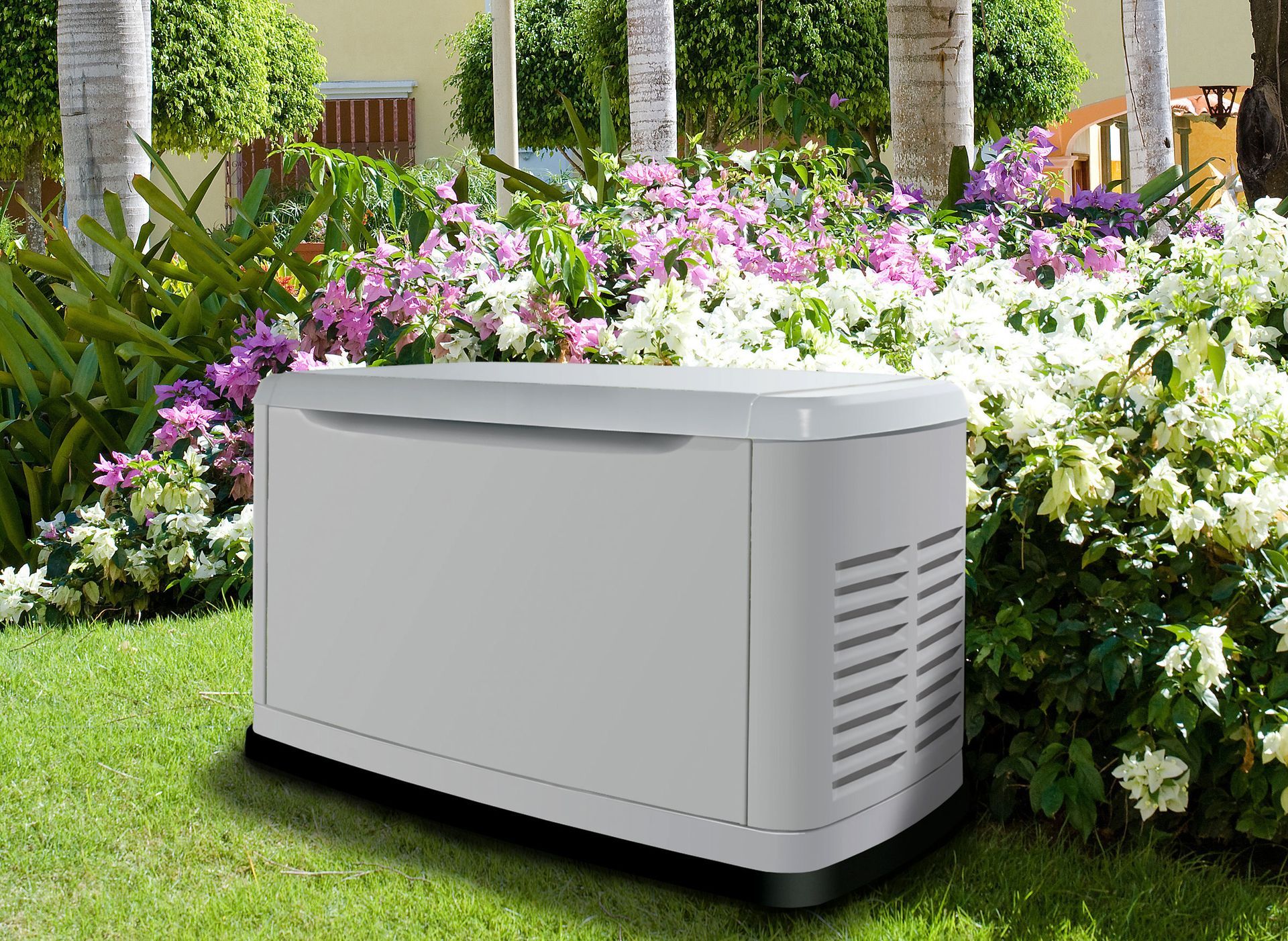
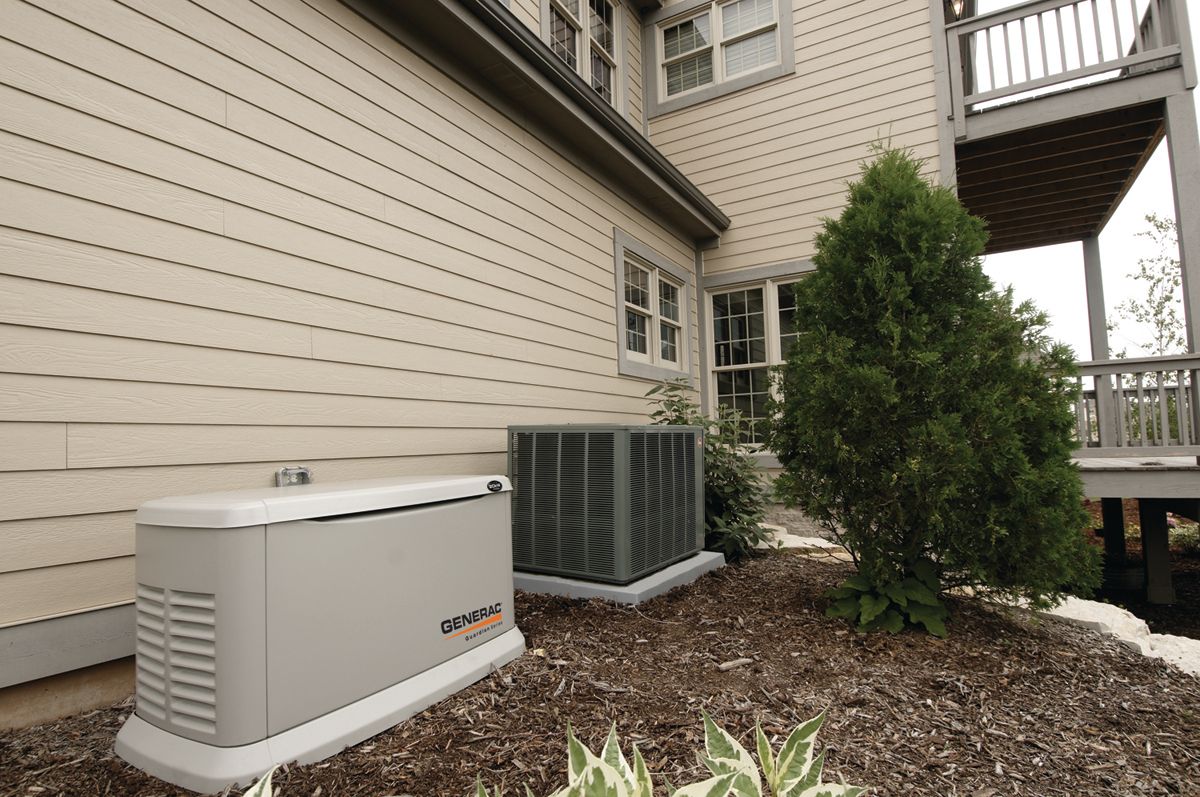
Strategic equipment placement significantly affects safety, sound dampening, and overall operational efficiency. Units should be installed on level surfaces outside, away from windows, doors, and ventilation intakes to prevent carbon monoxide intrusion. Ensuring ease of fuel replenishment and maintenance access enhances functionality and equipment longevity over time. Following clear installation guidelines safeguards your home environment and optimizes overall system performance during extended severe weather events.
Analyzing Long Term Ownership Costs
Budget considerations extend beyond initial purchase costs to include long-term expenses associated with system ownership. Analyzing the total cost of ownership, which includes fuel, routine maintenance, and potential repair fees, supports a comprehensive financial strategy. Initial costs can vary dramatically between different types and sizes, meaning upfront savings should not lead to unexpected financial burdens later. This analytical approach facilitates informed decisions, optimizing the true value of your investment in power security.
Regular maintenance is fundamental in sustaining system functionality and avoiding costly breakdowns during an active emergency. Operational expenses encompass fuel consumption, oil changes, and periodic filter replacements, which should always be factored into your household budgeting plans. Investing in high-quality equipment with accessible service parts minimizes long-term operational costs, ensuring an uninterrupted power supply. A proactive maintenance schedule secures ongoing performance and protects your property investment from unforeseen technical faults.
Ensuring Professional System Integration
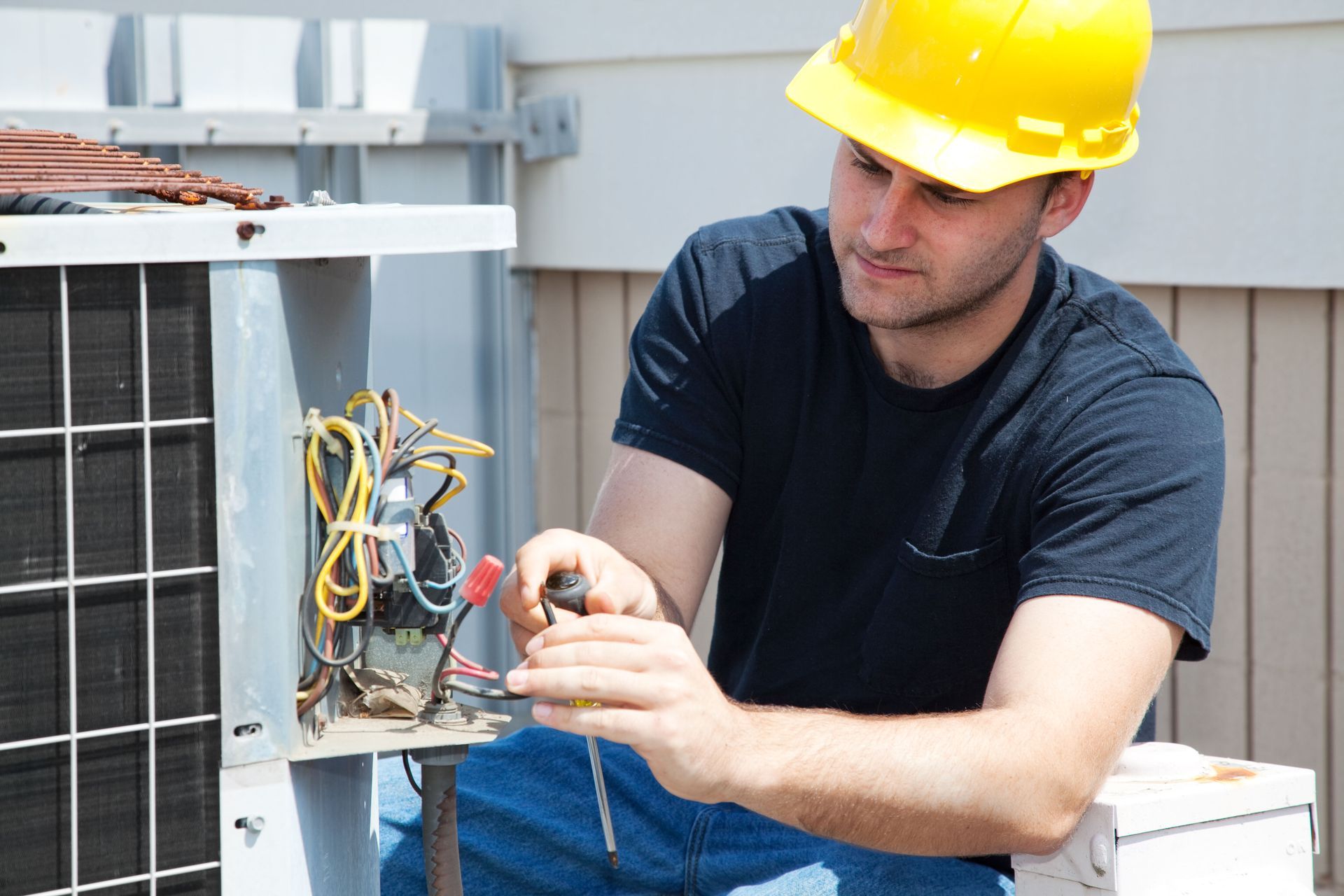
The decision to utilize certified professional services for installation significantly influences setup success and overall performance. Professional technicians offer incredible expertise that ensures compliance with local building codes, strict safety standards, and optimal system configuration. This specialized approach enhances equipment reliability and overall lifespan, giving you confidence that the system will perform flawlessly. Prioritizing professional precision supports seamless integration and long-term utility grid stability.
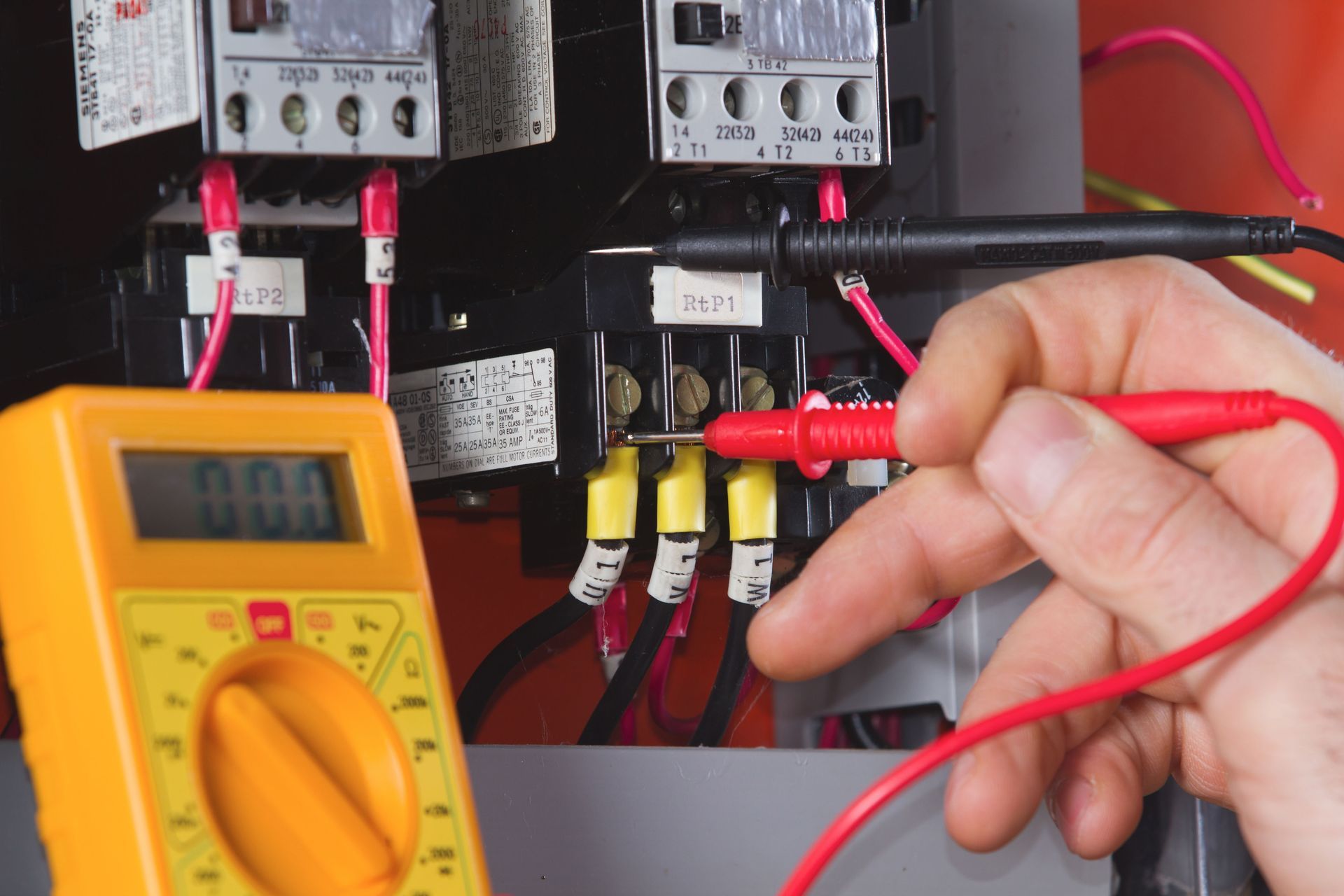
Transfer switches play a critical role in safely and effectively integrating backup power into home electrical systems. These devices automate or streamline the transition between utility and auxiliary power, preventing dangerous conditions and ensuring continuous service. Selecting an appropriate switch based on system capacity and circuit load is vital for property safety. Comprehensive professional integration optimizes home energy security, ensuring your household remains safe, bright, and fully functional when local municipal grids fail.
Choosing the right size involves careful analysis of power needs, infrastructure, and long-term maintenance. By evaluating each aspect thoughtfully, homeowners can ensure a reliable power source tailored to their unique requirements, enhancing safety and convenience. Comprehensive understanding and strategic planning will empower decisions that balance immediate practicality with future preparedness, especially when partnering with a dedicated service provider. For the absolute best results in securing your home's electrical future, you can rely on the skilled team at Wolfe Electric Co Inc today.


Share On: