
Why New Construction Projects Need Skilled Electricians
Building a new structure from the ground up is a monumental undertaking that requires a symphony of specialized trades to ensure the final product is both functional and resilient. Attempting to cut corners during the initial stages of construction by overlooking the necessity of professional expertise can lead to catastrophic failures, significant financial loss, and safety hazards that may not surface until years later. A licensed electrician brings more than just a toolkit to a job site; they bring a deep understanding of electrical theory, safety protocols, and the foresight to build a system that can evolve with the occupants' needs.
Ensure Safety and Code Compliance
Modern construction is governed by a rigorous set of local and national regulations designed to protect occupants and property from preventable disasters. When property owners prioritize the process of meeting these standards, they are investing in a layer of professional oversight that guarantees the installation meets the highest industry requirements. A licensed electrician is trained to interpret these complex, evolving regulations, ensuring that every wire, outlet, and panel is positioned and installed in a way that passes inspection.
This compliance involves the precise installation of Ground Fault Circuit Interrupters and Arc Fault Circuit Interrupters in high-risk areas like kitchens, bathrooms, and laundry rooms. These specialized devices are designed to detect minute changes in electrical flow that could indicate a short circuit or a brewing fire, shutting down power instantly to prevent injury. Without professional verification of the integrity of the grounding system and the proper separation of circuits, a new building remains vulnerable to hidden faults that could cause damage later.
Optimize Energy Efficiency and Power Distribution
In an era where sustainability and operational costs are at the forefront of every developer's mind, the way electricity moves through a building is a critical factor in long-term performance. By focusing on efficient energy usage, builders can significantly lower the carbon footprint of a structure while ensuring that high-demand appliances operate at peak performance without straining the system. Working with a licensed electrician during the design phase allows for the strategic placement of transformers, sub-panels, and dedicated circuits that prevent energy bottlenecks and unnecessary heat generation within the walls.
This optimization includes the selection of high-quality conductors and the implementation of automated lighting controls and variable speed drives for climate control systems. For example, a professional can calculate the exact wire gauge needed for long runs to ensure that electricity is not lost as heat before it reaches its destination. They can also integrate sensors and dimming systems that adjust power usage based on occupancy or natural light levels, directly impacting monthly utility bills in a positive way.
Reduce Maintenance and Repair Costs
A well-installed electrical system is an investment that pays dividends by minimizing the need for future interventions and emergency fixes. When systems are designed with high-quality materials and professional craftsmanship by a licensed electrician, they are less likely to suffer from the loose connections, overloaded circuits, or mismatched components that often plague substandard installations. Focusing on the quality of the initial setup ensures a robust system that can withstand the rigors of daily use for decades without requiring significant updates.
This approach means implementing organized, labeled, and accessible wiring systems that make future troubleshooting a simple task rather than an expensive forensic investigation for future contractors. When wires are neatly routed through conduits and properly secured to the structure, it prevents the physical wear and tear that leads to insulation breakdown and mechanical failure. By installing panels with extra space and capacity, builders allow for future repairs or minor upgrades to be performed without having to tear open walls or replace the entire service entrance.
Integrate Advanced Smart Home Technologies
The modern home or office is no longer a collection of isolated appliances; it is an interconnected ecosystem that relies on seamless communication between devices. Successfully deploying these technologies requires a professional who understands both high-voltage power requirements and the nuances of signal interference that can disrupt modern connectivity. A licensed electrician ensures that smart panels, motorized shades, and security cameras have the dedicated power they need to function reliably without compromising the stability of the rest of the home’s electrical grid.
To achieve this level of sophistication, the professional must plan for future needs by installing the necessary infrastructure even before the specific smart devices are purchased by the occupant. This includes the installation of structured cabling and ensuring that wireless access points have wired backhauls for maximum speed and data reliability throughout the property. An expert can also integrate smart breakers that allow homeowners to monitor their energy usage in real-time through a smartphone app, providing a level of control that was impossible a decade ago.
Manage Complex Circuitry and Load Requirements
Modern buildings demand more power than ever before, with high-performance kitchens, home theaters, and electric vehicle charging stations becoming standard features. Managing these requirements involves a meticulous balancing act to ensure that the simultaneous use of heavy-duty equipment does not lead to brownouts or systemic failures. An experienced licensed electrician uses mathematical precision to distribute these loads across the panel, preventing any single phase from becoming unbalanced and causing expensive equipment damage or premature wear.
This process requires the installation of dedicated circuits for high-wattage items like electric ranges, dryers, and heat pumps that draw significant current. According to The Hartford, vintage residences were typically constructed to manage a mere 30 amps of electricity, whereas the vast majority of modern dwellings now require a capacity of 100 to 200 amps to operate effectively. When a professional separates these heavy loads from more sensitive circuits used for computers and home electronics, they protect the sensitive equipment from the voltage spikes that occur when large motors kick on.
Prevent Hazardous Wiring and Fire Risks
The most important reason to hire an expert for new construction is the prevention of life-threatening accidents. Electrical fires are often the result of hidden errors, such as over-tightened staples that crush wire insulation, improperly torqued terminals, or the use of undersized wire for high-current applications. Focusing on the elimination of these risks is the primary mission of every professional on a job site, as even a small oversight can have devastating consequences once the walls are closed. A licensed electrician adheres to a strict philosophy of verification, checking every connection to ensure there is no risk of arcing or overheating that could ignite surrounding building materials.
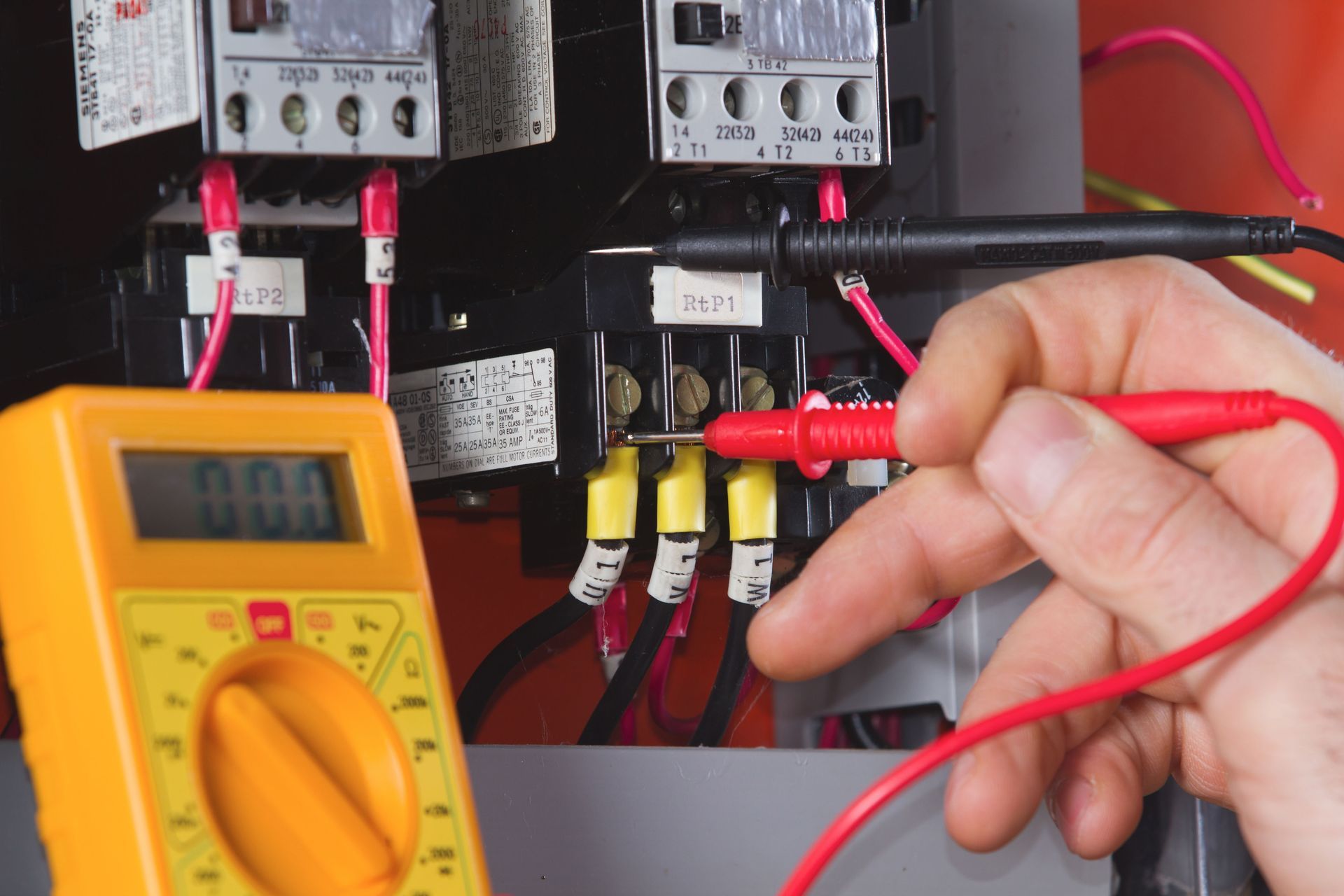
This prevention involves the use of specialized tools and testing equipment to verify the integrity of the entire system before it is ever energized. A professional will perform continuity tests and insulation resistance tests to ensure that no wires were nicked or damaged during the rough-in phase by other construction trades. They also ensure that all junction boxes are accessible and that wire fill capacities are never exceeded, which prevents the buildup of heat within the wall cavities.
The electrical infrastructure of a new construction project is far too critical to be left to chance or unverified labor. From the foundational requirements of safety and code compliance to the modern luxuries of smart home integration, every aspect of the system demands the precision and expertise that only a licensed electrician can provide. The quality of a building’s electrical work is a direct reflection of the care taken during its creation, serving as a silent but essential pillar of modern living for everyone inside. To get started on your next build with a team you can rely on, contact us at Wolfe Electric Co Inc.



Share On: